

The Role of Crystals in Vastu and Feng Shui: Balancing Energy at Home
January 28, 2025Table of contents
- Introduction
- Why Do People Feel Connected to Crystals?
- Choosing Crystals Based on Intention and Personal Preference
- Popular Beginner Crystals and Their Common Associations
- Creating a Calm Personal Ritual with Crystals
- How Crystals Can Support Mindfulness Practices
- Collecting Crystals Versus Using Them Consciously
- Keeping Crystal Practices Simple and Grounded
- How to Place Crystals at Home or Work
- Emotional Comfort Through Symbolic Objects
- Building a Personal Wellness Routine Without Pressure
- Final Thoughts
Introduction
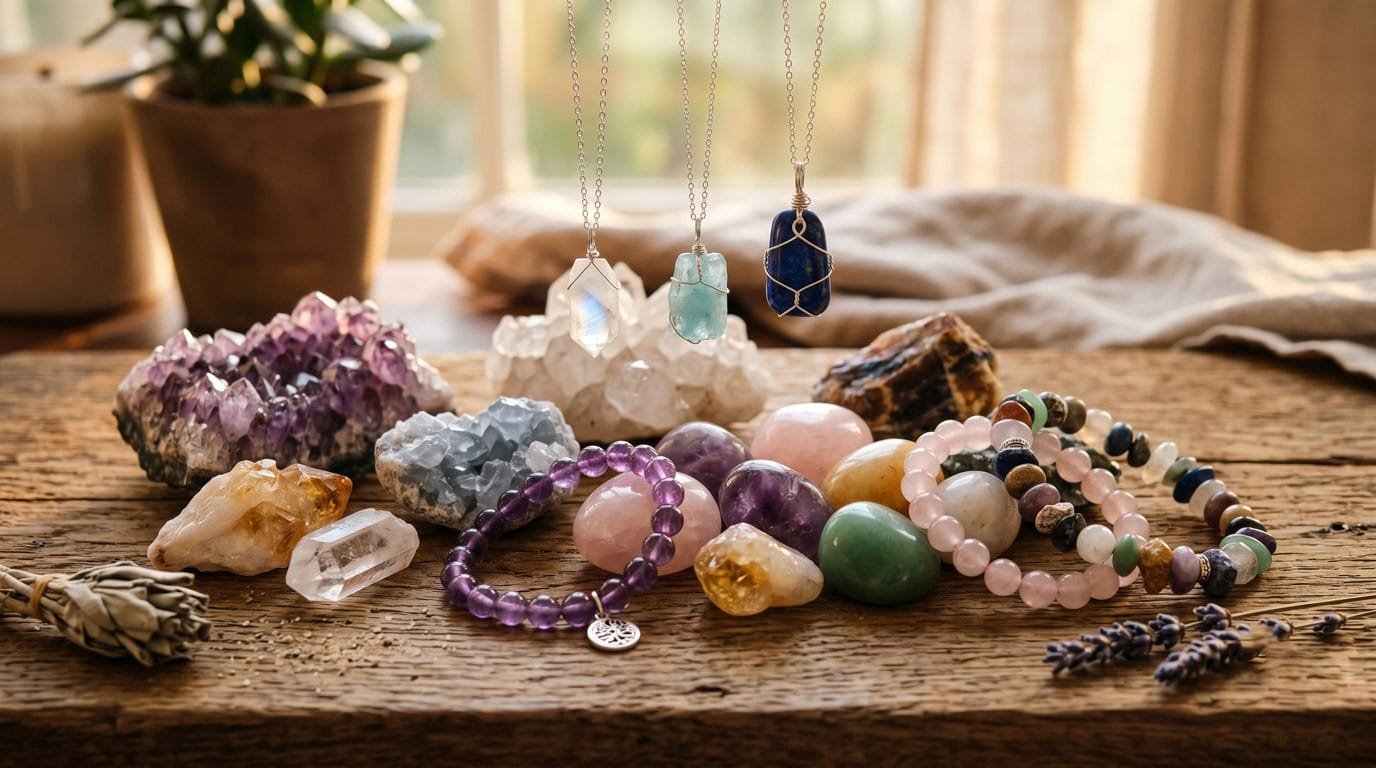
In recent years, crystals have quietly become part of many people’s personal wellness routines. Some keep them on a work desk. Others place them near their bedside, carry them during travel, or simply enjoy their beauty and symbolism. For many, crystals are not about blind belief or dramatic promises. They are about intention, mindfulness, emotional comfort, and creating small moments of pause in an increasingly noisy world.
At House of Mystic Purple, crystals are approached with thoughtfulness and emotional awareness rather than fear, superstition, or unrealistic claims. The collection is curated by Aleesha Agarwal Goyal, who works with clients in India and internationally through The Mystic Purple. Her work as a telepathic animal communicator, psychotherapist, and regression practitioner has allowed her to observe how symbolic objects, rituals, and mindful habits can help people feel more grounded, emotionally aware, and connected to themselves.
Choosing crystals does not require expertise. You do not need to memorize meanings, follow rigid rules, or own expensive collections. In many cases, the most meaningful crystal is simply the one that makes you pause, feel calm, or emotionally connected.
This guide explores how to choose crystals in a way that feels personal, balanced, and authentic.
Why Do People Feel Connected to Crystals?
Human beings naturally attach meaning to objects. Throughout history, people across cultures have kept symbolic items close to them for emotional comfort, remembrance, prayer, protection, focus, or self reflection.
A wedding ring carries emotional meaning. A family photograph can instantly trigger memories. A handwritten note from a loved one may feel comforting during difficult times. Crystals often work similarly for many people. They become visual reminders of a personal intention or emotional state someone wishes to cultivate.
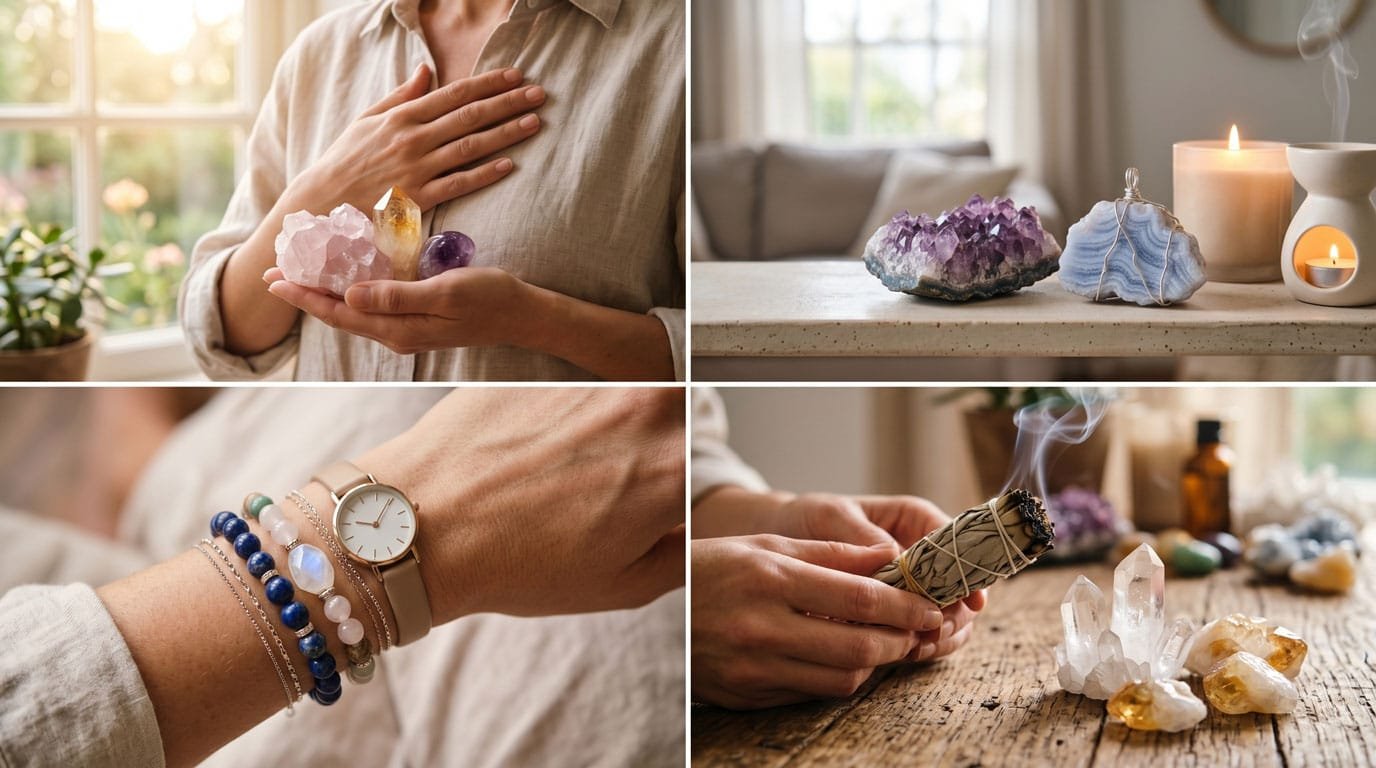
For some people, holding a crystal during meditation helps them slow down mentally. For others, placing a crystal near their workspace becomes a reminder to stay calm under pressure. Some simply appreciate the tactile experience, colors, textures, and beauty of natural stones.
The connection is deeply personal.
Not everyone experiences crystals the same way, and that is perfectly fine. Crystals are not replacements for medical care, therapy, or practical action. Instead, many people use them as supportive tools within a broader wellness practice.
Choosing Crystals Based on Intention and Personal Preference
One of the most common questions beginners ask is, “Which crystal is right for me?”
The truth is that there is no universal answer.
Choosing crystals often becomes easier when you focus less on complicated meanings and more on your own emotional needs, environment, and intuition.
Start by asking yourself simple questions:
What kind of energy or emotional state do I want more of in my life?
Do I want calmness, focus, confidence, emotional balance, creativity, grounding, or motivation?
Am I drawn toward certain colors or textures naturally?
Do I want something small and subtle for daily use, or something decorative for my home?
Some people choose crystals entirely based on appearance and still develop a meaningful relationship with them over time. Others prefer reading traditional associations connected to different stones before selecting one.
There is no wrong approach.
Many beginners overcomplicate crystal selection because they worry about choosing incorrectly. In reality, meaningful crystal practices are usually simple and intuitive rather than rigid.
Popular Beginner Crystals and Their Common Associations
While experiences vary from person to person, some crystals are especially popular among beginners because of their approachable symbolism and versatile use.
Rose Quartz
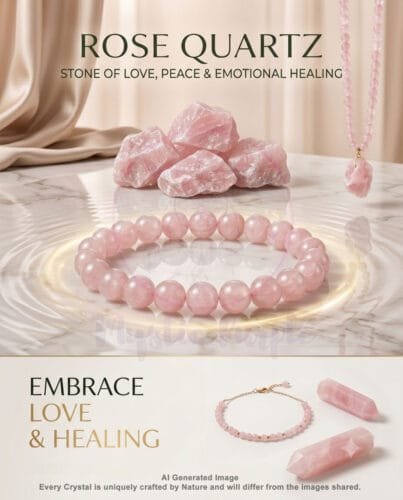
Rose quartz is widely connected with emotional softness, self compassion, warmth, and relationships. Its gentle pink color makes it one of the most emotionally approachable stones.
Some people place rose quartz in bedrooms or personal spaces where they want to cultivate calmness and emotional ease.
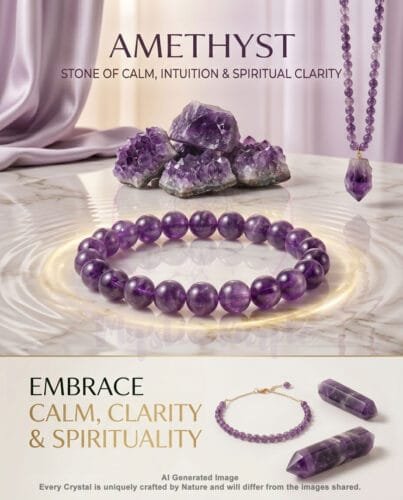
Amethyst
Amethyst is frequently associated with peace, relaxation, and emotional grounding. Its purple tones often create a naturally calming atmosphere.
People commonly use amethyst during quiet routines such as journaling, meditation, reading, or winding down before sleep.
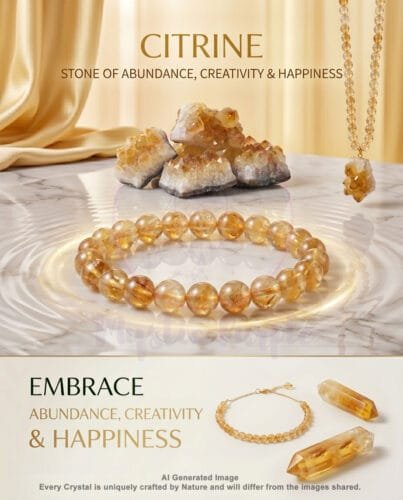
Citrine
Citrine is often symbolically connected to motivation, confidence, positivity, and abundance oriented thinking. Its warm golden appearance tends to feel uplifting and energizing.
It is commonly placed near workspaces or creative areas.
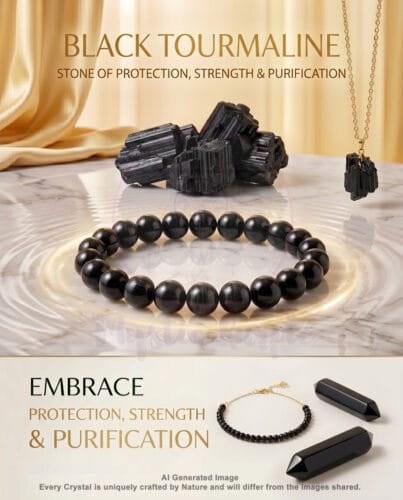
Black Tourmaline
Black tourmaline is popular among people who prefer grounding objects in stressful environments. Its dark appearance creates a feeling of stability and strength for many users.
Some people keep it near entrances, electronic devices, or busy work areas.
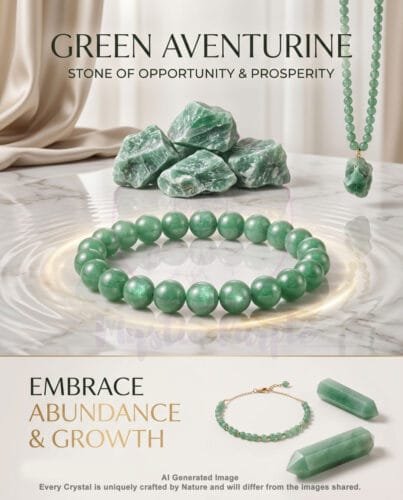
Green Aventurine
Green aventurine is often associated with growth, opportunities, emotional balance, and fresh beginnings. Many beginners are drawn to its calming green tones.
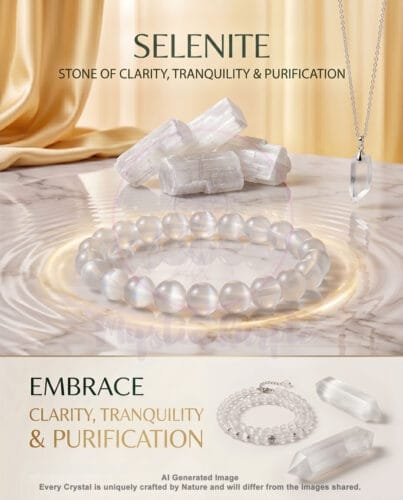
Selenite
Selenite is appreciated for its clean and peaceful appearance. It is commonly used in mindful spaces because of the sense of simplicity and calm it creates visually.
Again, these meanings are symbolic and personal rather than scientifically proven guarantees. The emotional relationship people build with these objects is often what matters most.
Creating a Calm Personal Ritual with Crystals
One reason crystals remain meaningful for many people is because they encourage moments of intentional pause.
Modern life moves quickly. Most people spend large parts of their day switching between notifications, deadlines, responsibilities, and distractions. Even small rituals can help create emotional structure and mindfulness.
A crystal ritual does not need to be elaborate.
You might simply:
Hold a crystal quietly for a few minutes before starting work
Place one near your journal while writing thoughts
Keep one beside your bed as part of a calming nighttime routine
Carry one during stressful travel days
Use a crystal as a visual reminder of a personal goal
The value often lies less in the object itself and more in the consistency of the mindful moment attached to it.
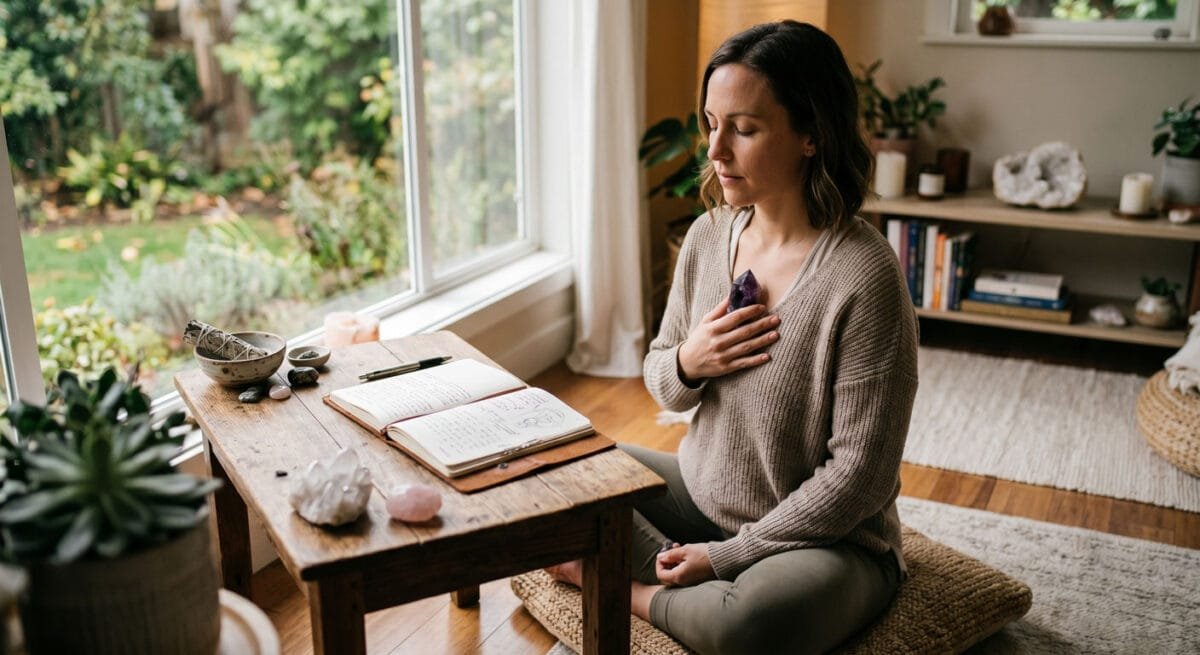
Some people pair crystals with breathing exercises, affirmations, gratitude practices, or meditation. Others simply enjoy the sensory comfort of holding a smooth natural stone while thinking quietly.
The best rituals are usually the ones that feel natural rather than performative.
How Crystals Can Support Mindfulness Practices
Mindfulness is fundamentally about awareness. It involves slowing down enough to notice thoughts, emotions, surroundings, and bodily sensations without constant distraction.
Crystals can function as physical anchors during mindfulness exercises.
For example:
Holding a crystal during breathing exercises may help some people maintain focus.
Keeping a crystal visible during work breaks can act as a reminder to pause mentally.
Using crystals during journaling may help create emotional consistency around reflection practices.
Meditation spaces often include visual objects because the mind responds strongly to environment and symbolism. Crystals can become part of this environment for people who resonate with them.
Importantly, mindfulness practices do not need to become mystical to be meaningful. Even simple moments of quiet awareness can positively affect emotional regulation and stress management.
Collecting Crystals Versus Using Them Consciously
Social media has made crystal collecting extremely popular. Beautiful shelves filled with rare stones, elaborate grids, and aesthetic arrangements are common online.
There is nothing wrong with collecting crystals as decorative or geological objects. Many people genuinely appreciate them artistically and aesthetically.
However, consciously using crystals is often a different experience from simply accumulating them.
A mindful crystal practice focuses less on quantity and more on emotional relationship.
Instead of owning dozens of stones without connection, some people prefer working consistently with one or two crystals that feel emotionally significant to them.
Conscious use may involve:
Reflecting on intentions regularly
Keeping crystals in spaces where they support daily habits
Using them during moments of stress, journaling, or meditation
Associating them with emotional grounding rather than dependency
This balanced approach prevents crystals from becoming performative trends or impulsive purchases disconnected from actual emotional value.
Keeping Crystal Practices Simple and Grounded
One of the healthiest approaches to crystals is simplicity.
You do not need expensive collections, complicated rituals, or strict rules to enjoy crystals meaningfully.
In fact, overly rigid practices can sometimes create unnecessary anxiety. Some beginners become worried about “using crystals incorrectly” or constantly searching for perfect combinations.
Meaningful wellness routines usually work better when they feel calm and sustainable.
Here are a few grounded ways to keep your practice balanced:
Choose crystals because they genuinely resonate with you
Avoid fear based messaging or miracle claims
Use crystals as supportive tools rather than solutions to every problem
Focus on emotional awareness and intentional routines
Allow your preferences to evolve naturally over time
Enjoy crystals aesthetically without pressure to assign dramatic meanings
There is space for curiosity without needing absolute certainty.
At House of Mystic Purple, the philosophy around crystals centers more on emotional connection and mindful living than sensational promises.
How to Place Crystals at Home or Work
Placement often depends on personal preference, aesthetics, and emotional association rather than strict rules.
That said, many people enjoy placing crystals intentionally in different spaces.
Bedroom
Soft and calming stones are commonly placed near bedside tables or sleep spaces. These can serve as reminders to slow down and disconnect from daily stress before rest.
Workspace
Motivational or grounding crystals are often kept near laptops, desks, or creative studios. Some people use them as visual anchors during focused work.
Living Areas
Decorative crystal placements in living rooms or reading corners can contribute to a peaceful atmosphere.
Meditation or Reflection Corners
Some people create small mindful spaces with candles, journals, books, plants, and crystals together.
Entryways
Grounding stones are sometimes placed near entrances simply as symbolic reminders of stability and calmness while entering or leaving home.
There is no perfect formula. What matters more is whether the placement feels emotionally meaningful and visually harmonious to you.
Emotional Comfort Through Symbolic Objects
Psychologically, symbolic objects can play a surprisingly important role in emotional regulation.
People often underestimate how strongly environment affects mood and behavior.
A comforting object can help reinforce emotional intentions simply through repetition and association.
For example:
A crystal associated with calmness may remind someone to pause during stressful moments.
A stone connected to confidence may become part of a pre presentation routine.
A meaningful object on a bedside table may encourage consistency in nighttime mindfulness practices.
This process is not necessarily about supernatural belief. It often relates to emotional anchoring, symbolism, habit formation, and mindfulness psychology.
Humans naturally create emotional meaning through repeated association.
That is one reason why personal rituals can feel powerful, even when they are simple.
Building a Personal Wellness Routine Without Pressure
Modern wellness culture sometimes creates unrealistic expectations. People are often told they need perfect routines, expensive tools, or constant self improvement.
In reality, sustainable wellness is usually built through small consistent habits.
Crystals can become part of this gently supportive environment without becoming the center of it.
A balanced wellness routine may include:
Journaling
Meditation
Therapy or counseling
Mindful breathing
Nature walks
Healthy sleep habits
Creative hobbies
Quiet reflection
Emotional awareness
Symbolic objects like crystals
The goal is not perfection. The goal is creating moments that help you reconnect with yourself amidst daily life.
Aleesha Agarwal Goyal’s work through The Mystic Purple often emphasizes emotional awareness, grounded spirituality, and compassionate self reflection rather than dramatic promises. Many people are not necessarily looking for magical answers. They are simply searching for tools that help them feel calmer, more connected, and emotionally supported.
Crystals, when approached thoughtfully, can become one small part of that process.
Final Thoughts
Choosing crystals does not need to feel intimidating, mystical, or complicated.
The most meaningful crystal is often the one that quietly resonates with you. Sometimes it is the color. Sometimes it is the emotional symbolism. Sometimes it simply feels calming to hold.
You do not need to justify your connection to meaningful objects.
At their best, crystals can serve as reminders to slow down, reflect, breathe, and create intentional moments within busy lives. They can support mindfulness, emotional comfort, and personal rituals in ways that feel simple and human.
House of Mystic Purple encourages a balanced and thoughtful approach to crystals rooted in mindfulness, emotional awareness, and personal meaning rather than pressure or fear based claims.
Whether you are completely new to crystals or simply exploring them with curiosity, the journey can remain personal, grounded, and entirely your own.

